Your child's health, our priority
Caring for Your
Little Ones,
with Heart.
Compassionate, evidence-based paediatric care in a warm, welcoming environment. Because every child deserves to grow up healthy and happy.

1000+
Happy Families
15+ Years
Experience
About the Doctor
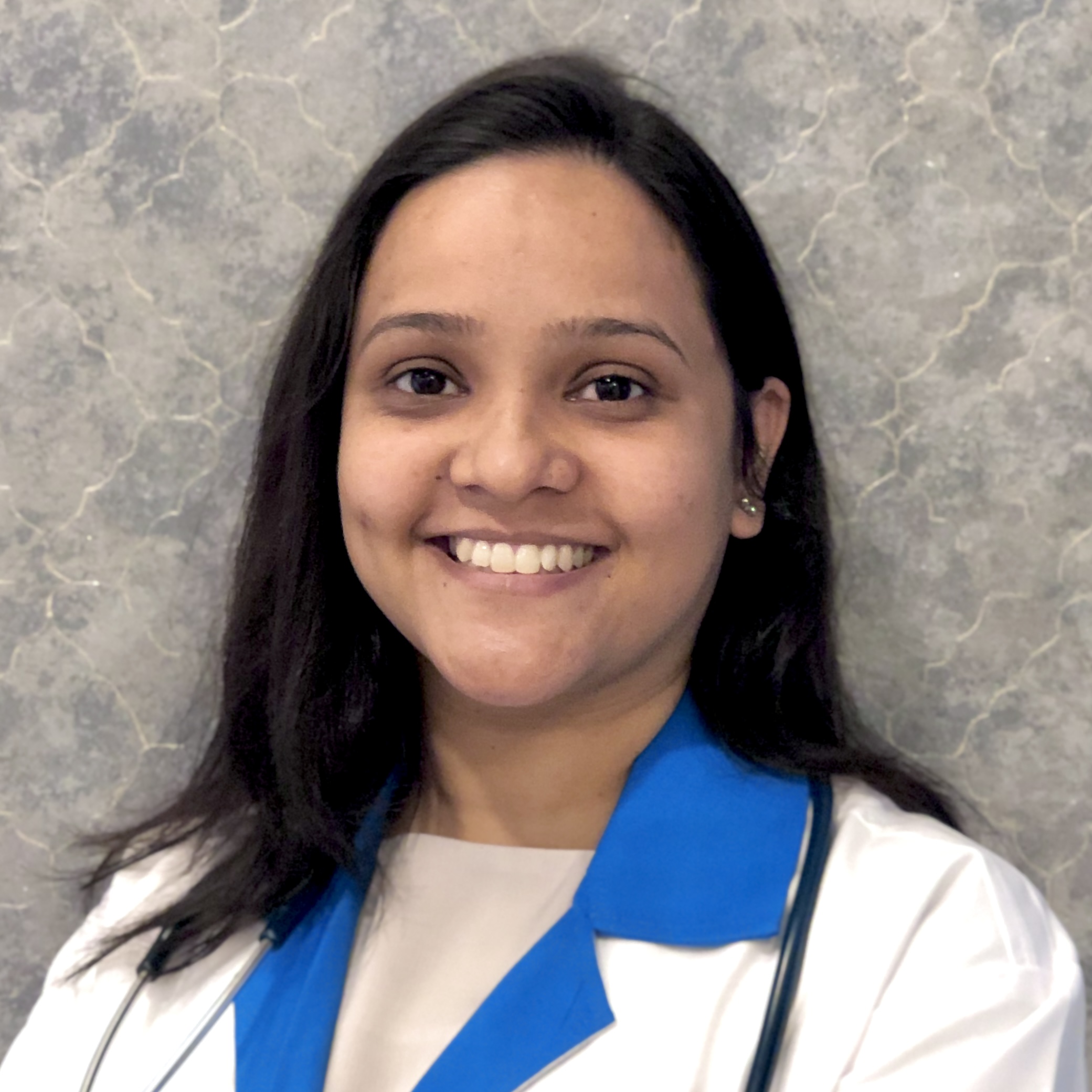
Dr. Shilpa Pandya
Paediatrician & Consultant
Dr. Shilpa Pandya is a dedicated paediatrician with over 15 years of experience caring for children from infancy through adolescence. She completed her MD in Paediatrics from Gandhi Medical College, Bhopal, and has served families at Hiranandani Hospital, bringing warmth and expertise to every consultation.
She pursued advanced training under MUHS Nashik and completed her internship at the prestigious JJ & Grant Medical Colleges. Her commitment to lifelong learning keeps her at the forefront of evidence-based paediatric practice.
Work experience with



What we offer
Comprehensive Paediatric Care

General Pediatrics and Neonatology
Comprehensive care for newborns, infants, and children — from routine check-ups to managing complex medical conditions at every stage of early life.
Vaccination and Well Baby Care
Complete immunisation schedules following national guidelines, alongside regular well-baby visits to monitor growth, development, and overall health.

Nutrition, Growth and Development Assessment
Expert evaluation of your child's nutritional needs, growth milestones, and developmental progress to ensure they thrive at every age.
Schedule a Visit
Book an Appointment
Choose a convenient time to meet Dr. Shilpa Pandya. Same-day slots available for urgent concerns.
Keep away your worries
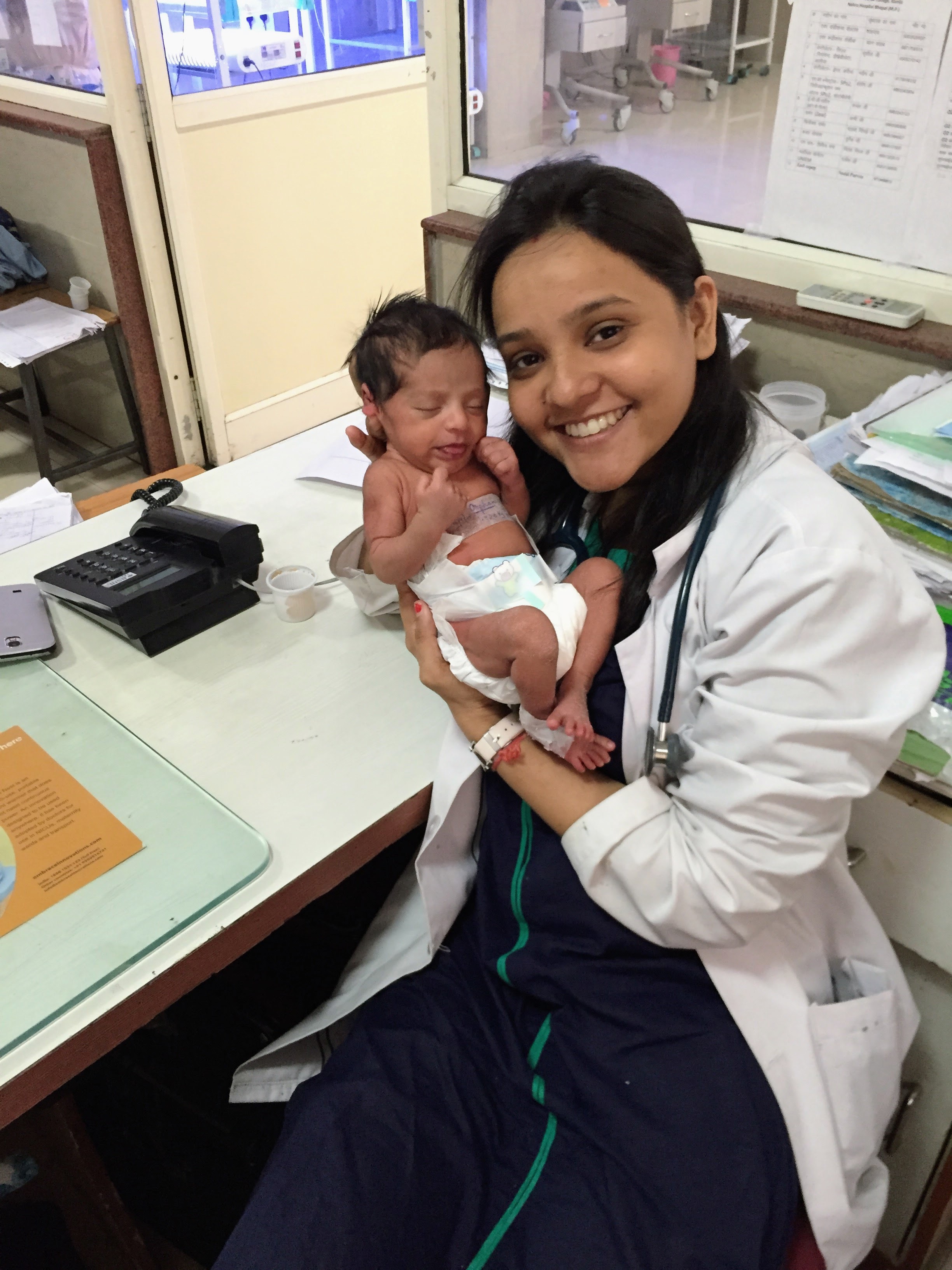
Dr. Shilpa Pandya specializes in diagnosing and treating a wide range of neonatal and pediatric conditions. Her expertise includes well-baby checkups, immunizations, growth and developmental assessments, behavioral assessments, common pediatric ailments, asthma management, lactation support, and dietary counselling. She is well-versed in emergency newborn and pediatric procedures, including resuscitation, line insertions, and ventilation.
Dr. Shilpa's warm and reassuring demeanor creates a positive and trusting environment, supporting the overall health and well-being of her young patients. Her commitment to excellence, combined with her years of experience, makes her an exceptional pediatrician. She is driven by her passion for providing the highest standard of care and is trusted by parents and caregivers alike.
Find Us
In-Person Consultation
Paediatric Wellness by Dr. Shilpa,
Second Floor, ITPL Main Rd,
above Lenskart Store,
Basavanna Nagar, Hoodi,
Bengaluru, Karnataka 560048
Mon – Sat
5:00 PM – 6:30 PM
From our patients' families
What Parents Say
"Dr Shilpa is very friendly, approachable. My child had fever of 103. Dr Shilpa reassured me and treated my son without any unnecessary antibiotics. My kid just loves to go to her clinic."
Riddhi
Mother
"From the moment we met Dr. Shilpa Pandya, she put us at ease with her calm and reassuring demeanor. She took the time to listen to our daughter's concerns and answered all of our questions in detail, making sure we understood everything. What impressed us the most about Dr. Shilpa was her caring and compassionate approach towards our daughter. She was patient and gentle with her, making sure she felt comfortable and at ease not just during her vaccinations but also when she was suffering with flu. She took the time to explain things in a way that our 2.5 year old daughter could understand, which helped to alleviate her fears and anxieties. Overall, we cannot recommend Dr. Shilpa Pandya highly enough. She is an outstanding pediatrician who goes above and beyond for her patients. If you are looking for a compassionate and caring pediatrician for your child, then look no further than Dr. Shilpa."
Harmind Singh Arora
Father
"Visited doctor Shilpa for my baby, she diagnosed my baby problem and treated accordingly. She is very friendly and helpful. Will definitely recommend her for others."
Ayesha Tanveer
Mother
"Dr. Shilpa is an absolute gem! She has a natural ability to make children feel comfortable and at ease. My daughter, who used to be terrified of doctors, actually looks forward to her appointments now. Her thoroughness and gentle nature are truly commendable."
Priya Majmudar
Mother
"We have been visiting Dr. Shilpa for over two years now and the experience has been exceptional every single time. She is knowledgeable, patient, and always takes time to address all our concerns. Her advice on nutrition and development has been invaluable for our son's growth."
Davashish Kothari
Father
"What sets Dr. Shilpa apart is her holistic approach to child health. She doesn't just treat the symptoms but takes time to understand the root cause. Her clinic is well-maintained and the staff is very courteous. Highly recommended for all parents!"
Archita Jain
Mother
"Dr. Shilpa has been our family pediatrician for three years. Her expertise and warm personality make every visit a positive experience. She is always available for queries and her timely guidance has helped us navigate many challenging health situations with confidence."
Shalini Gupta
Mother
"Excellent doctor with a wonderful bedside manner. Dr. Shilpa is patient, thorough, and truly cares about her little patients. She explained every step of the treatment clearly and followed up to ensure my child was recovering well. Best pediatrician in the area!"
Priyal Jain
Mother
Parents ask us
Frequently Asked Questions
Answers to common questions about paediatric care, vaccinations, nutrition, and child development — based on IAP guidelines.
How often should I bring my child to the paediatrician?
What vaccines does my baby need in the first year?
What is the difference between the Government (NIS) and IAP vaccine schedule?
Are vaccines safe? What side effects should I expect?
When should I start solid foods for my baby?
What developmental milestones should I watch for?
My newborn has yellow skin — is jaundice dangerous?
My child has a fever — when should I see the doctor immediately?
How do I manage diarrhoea at home, and when is it an emergency?
Why does my child keep falling sick with colds every few weeks?
Have a question not listed here? Book a consultation with Dr. Shilpa.